CALL: (904) 260-1836 TEXT: (904) 746-1835

Portal
Swimming Safari provides private and group swimming lessons for babies, toddlers, kids, teens, and adults in Jacksonville, FL and surrounding areas. Our facility includes a heated indoor pool and highly trained instructors.
4775 Windsor Commons Court
Jacksonville, FL 32224
CALL: (904) 260-1836
Privacy Policy
QUICK LINKS
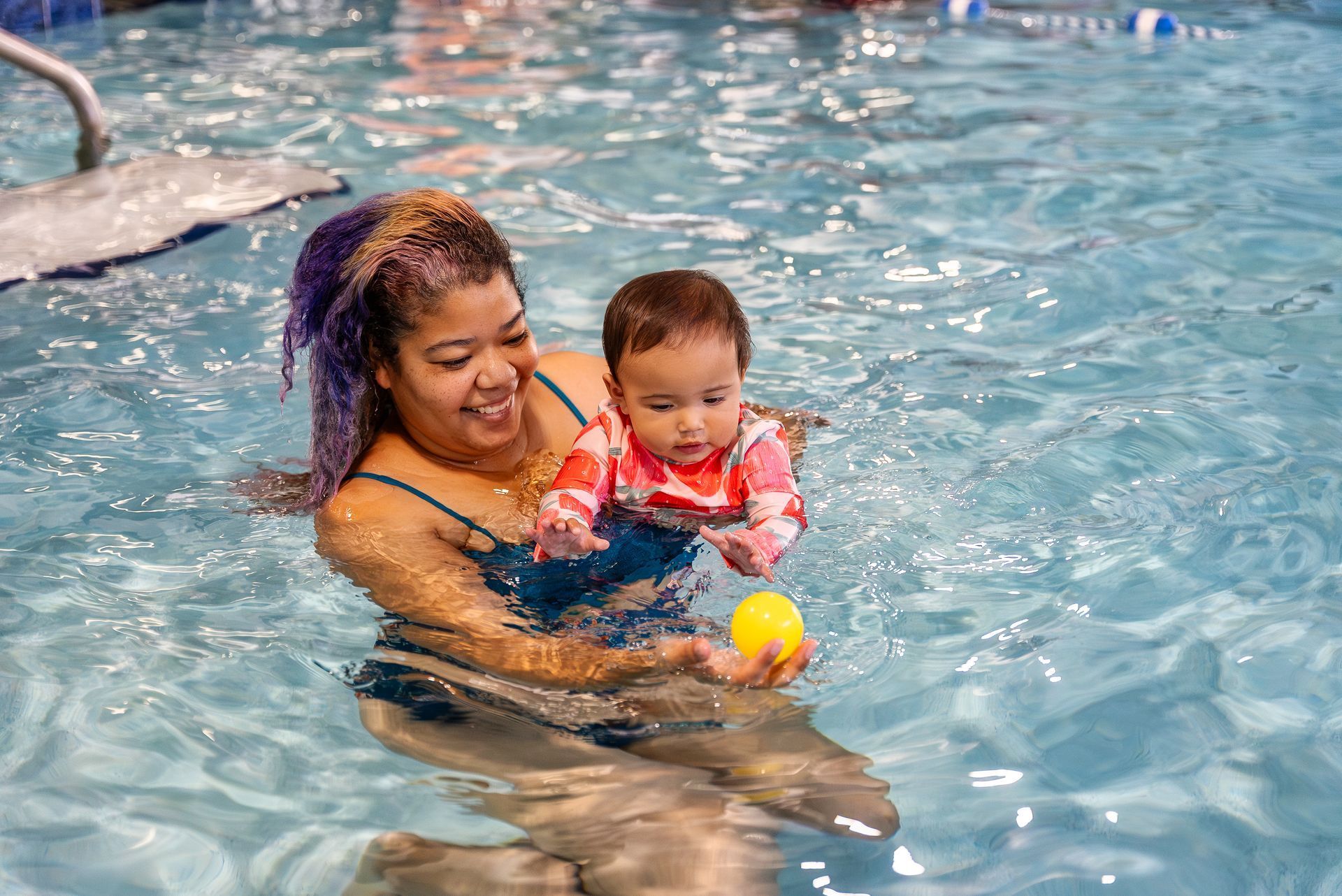
You don't have to wait until your baby starts swim lessons to begin building a positive relationship with the water! Everyday routines like bath time are an opportunity to build water comfort, body awareness, and foundational skills. Start Early Don't wait until your baby is six months old to introduce foundational water experiences. Babies spend their earliest months surrounded by fluid, and gentle, positive water experiences can help build familiarity and comfort from the beginning. Build Water Comfort at Bath Time Bath time is one of the easiest places to practice! During bath time, spend a couple of minutes practicing a simple “1, 2, 3” cue , followed by a small amount of water dribbled over your baby's face. This teaches your baby that the cue means “water is coming!” As your baby becomes comfortable, gradually progress from small dribbles to a cup pour, allowing water to reach the face, eyes, nose, and mouth . You don't need to immediately wipe their face after every pour. Give them the opportunity to experience the water, recover, and learn that they can handle the sensation. You may notice your baby gasp, tense their body, or look startled when water reaches their face. Young babies have an involuntary response to water around the face that can affect their breathing and body position. These reactions are not automatically a sign that your baby is upset. Pay attention to their whole-body communication and cues and give them time to recover and reconnect with you. Let Your Baby Explore Movement in Water Water is a great place for babies to experience movement and body awareness. Try pouring water gently over your baby's ears or, with constant hands-on supervision , allow them to lie on their back in a bathtub with only a couple of inches of water so they can safely experience moving their body through the water. These simple experiences help babies become familiar with water on their ears, face, and body , while giving them opportunities to explore movement and develop body awareness. What About Water in Their Ears? Getting water in your baby's ears during normal bathing or swimming does not cause an ear infection . Most common childhood ear infections are related to infections or inflammation rather than simply getting the ears wet. If you'd like to dry your baby's ears after a bath, gently dab the outside of the ears with a towel. Never put cotton swabs or other objects into the ear canal. If your child experiences frequent or recurring ear infections, talk with your pediatrician or other medical professional about what is appropriate for your child. Most Important: Keep It Positive You don't need to turn bath time into a swim lesson. A few minutes of positive, consistent practice goes a long way. Follow your baby's cues, keep the experience playful, and remember that the goal is not to rush skills—it is to build comfort, trust, connection, and a strong foundation for learning in the water.
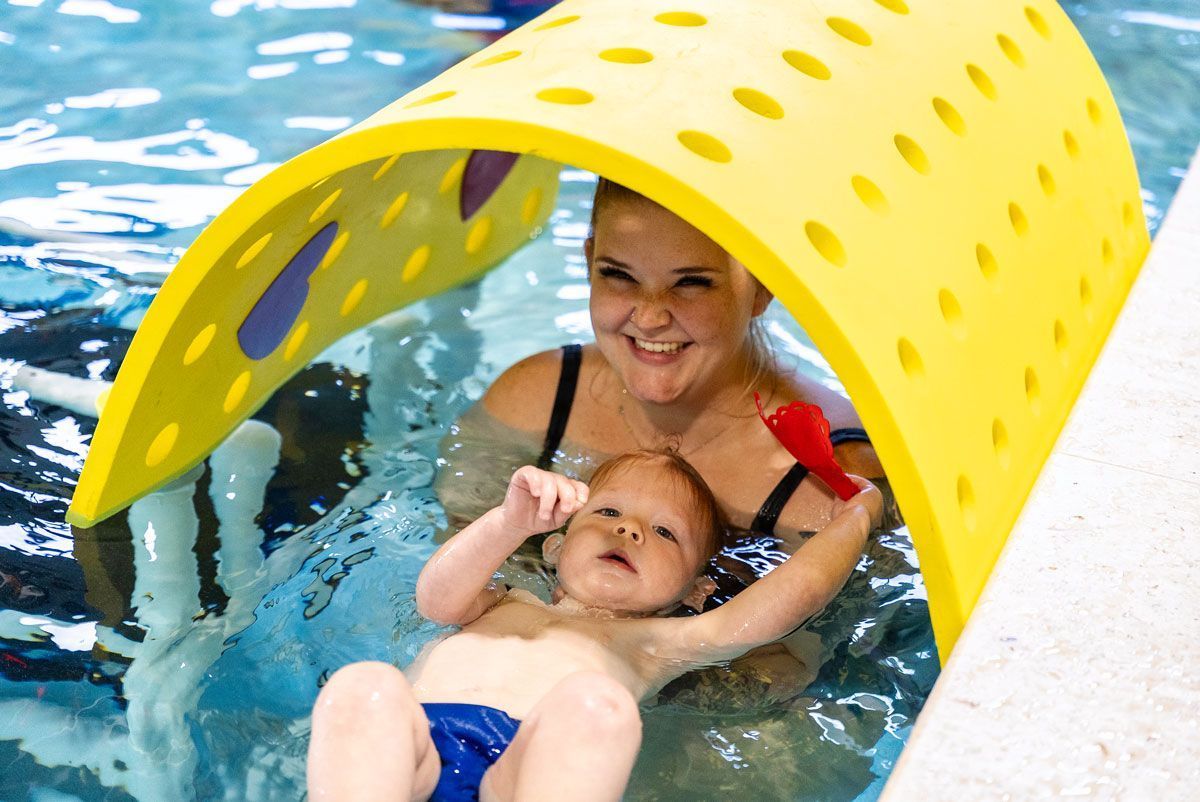
Our pool is a saltwater pool, but saltwater pools still use chlorine to keep the water clean and safe. However, some swimmers may notice that pool water can leave their skin feeling a little dry, especially with frequent swimming. A few simple steps can help: Rinse before class. A quick shower before getting in helps saturate the skin with fresh water before swimming. Rinse after every lesson. Give your swimmer a quick rinse after swimming to remove pool water from their skin. Use gentle products. After class, wash your swimmer with a fragrance-free, gentle soap and shampoo that is appropriate for their sensitive skin. Moisturize afterward. If your swimmer's skin tends to feel dry, apply a gentle, fragrance-free moisturizer after bathing. Some families also choose to use a Vitamin C spray or lotion after swimming. Everyone’s skin is different. If your swimmer has persistent irritation, a rash, or sensitive skin that is difficult to manage, talk with your pediatrician or another medical professional about the best products for your child.
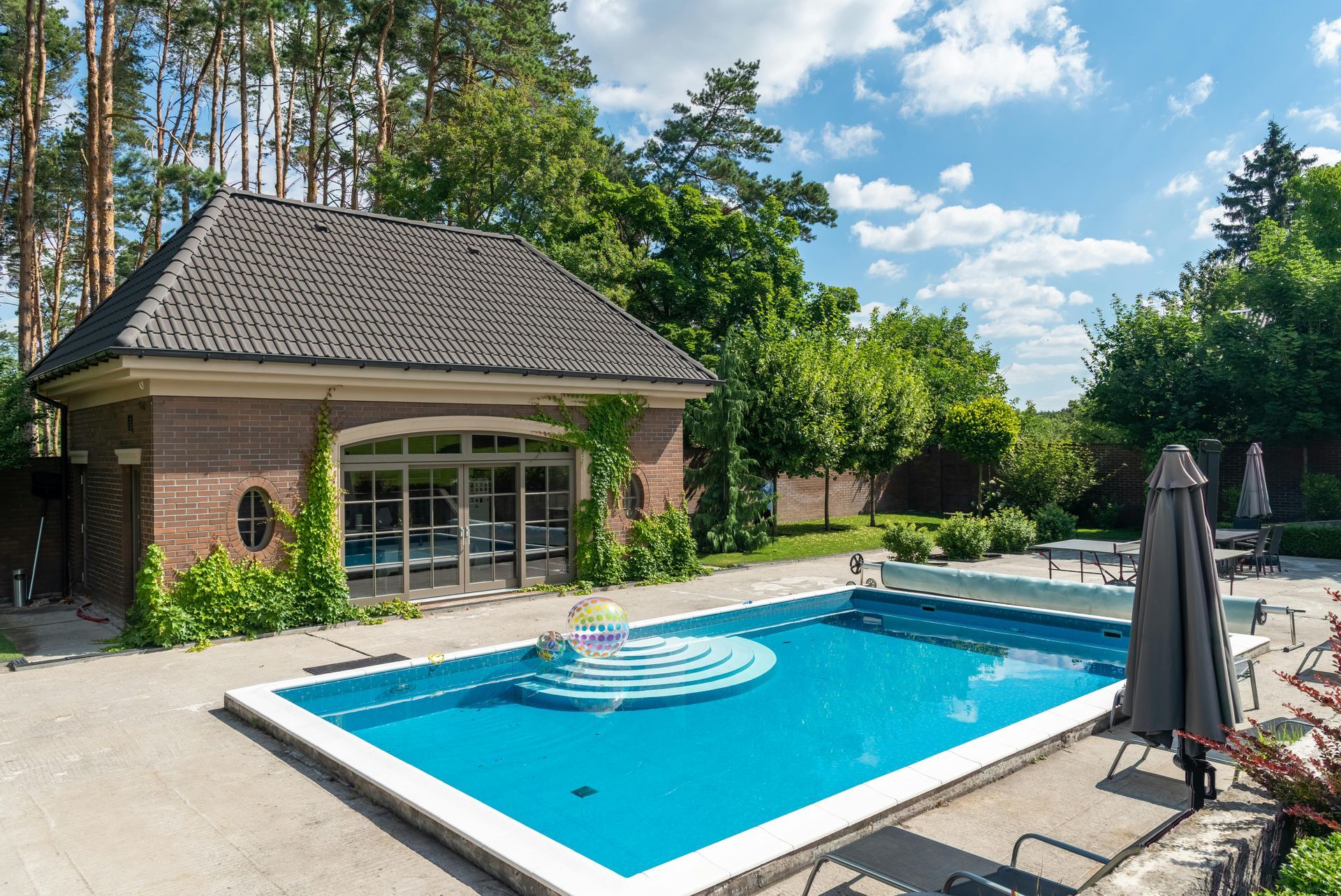
Do you have your own pool? Or are you thinking about putting one in your backyard? There’s no doubt about it, pools are beautiful. Sparkling blue water instantly makes everyone feel cooler just looking at it! Pools create fun family memories, birthday parties, cookouts, and endless summer enjoyment. It’s easy to picture everyone laughing, swimming, and having a great time together. But along with all that fun comes an important responsibility. Owning a pool does require physical work - cleaning, balancing chemicals, maintaining equipment, and keeping the water safe and clear. However, the greatest responsibility is not the maintenance. It’s keeping everyone safe around the water. When you host a cookout or pool party, your job isn’t only grilling burgers and hot dogs. Your responsibility also includes knowing who is watching the pool. Many people assume that when there are lots of adults around, someone must be watching the children. Unfortunately, that often isn’t true. At busy pool parties, everyone thinks someone else is paying attention, and sometimes nobody truly is. That is why it is so important to designate a “Water Watcher”. A Water Watcher is an adult whose only job is to actively watch the pool and everyone in it. No phones. No conversations. No distractions. Assign someone to be the Water Watcher for 10–15 minutes at a time. Encourage them to: Keep their eyes constantly on the water Count the swimmers repeatedly Watch for unsafe behavior Enforce pool rules such as: No roughhousing No pushing or dunking No running around the pool deck Most importantly, the Water Watcher should be alert for someone slipping silently under the water. Remember: drowning is often silent. A child usually will not yell or splash for help. Many drowning victims simply slip beneath the surface quietly and quickly. Today, many organizations provide “Water Watcher” tags or lanyards to help remind families whose turn it is to supervise the water. These are wonderful tools, but the tag itself is not what keeps children safe. What truly matters is active supervision. So before you build that dream pool or host your next backyard barbecue, take a moment to remember the responsibility that comes with owning a pool. A few simple safety steps can help ensure your pool remains a place of fun, laughter, and happy memories for everyone. — Swimming Safari Swim School