How to Prepare Your Baby at Home for Swim Lessons
August 24, 2026
You don't have to wait until your baby starts swim lessons to begin building a positive relationship with the water! Everyday routines like bath time are an opportunity to build water comfort, body awareness, and foundational skills.
- Start Early
- Don't wait until your baby is six months old to introduce foundational water experiences. Babies spend their earliest months surrounded by fluid, and gentle, positive water experiences can help build familiarity and comfort from the beginning.
- Build Water Comfort at Bath Time
- Bath time is one of the easiest places to practice!
- During bath time, spend a couple of minutes practicing a simple “1, 2, 3” cue, followed by a small amount of water dribbled over your baby's face. This teaches your baby that the cue means “water is coming!”
- As your baby becomes comfortable, gradually progress from small dribbles to a cup pour, allowing water to reach the face, eyes, nose, and mouth. You don't need to immediately wipe their face after every pour. Give them the opportunity to experience the water, recover, and learn that they can handle the sensation.
- You may notice your baby gasp, tense their body, or look startled when water reaches their face. Young babies have an involuntary response to water around the face that can affect their breathing and body position. These reactions are not automatically a sign that your baby is upset. Pay attention to their whole-body communication and cues and give them time to recover and reconnect with you.
- Let Your Baby Explore Movement in Water
- Water is a great place for babies to experience movement and body awareness.
- Try pouring water gently over your baby's ears or, with constant hands-on supervision, allow them to lie on their back in a bathtub with only a couple of inches of water so they can safely experience moving their body through the water.
- These simple experiences help babies become familiar with water on their ears, face, and body, while giving them opportunities to explore movement and develop body awareness.
- What About Water in Their Ears?
- Getting water in your baby's ears during normal bathing or swimming does not cause an ear infection. Most common childhood ear infections are related to infections or inflammation rather than simply getting the ears wet.
- If you'd like to dry your baby's ears after a bath, gently dab the outside of the ears with a towel. Never put cotton swabs or other objects into the ear canal.
- If your child experiences frequent or recurring ear infections, talk with your pediatrician or other medical professional about what is appropriate for your child.
- Most Important: Keep It Positive
- You don't need to turn bath time into a swim lesson. A few minutes of positive, consistent practice goes a long way.
- Follow your baby's cues, keep the experience playful, and remember that the goal is not to rush skills—it is to build comfort, trust, connection, and a strong foundation for learning in the water.
FROM THE JUNGLE JOURNAL
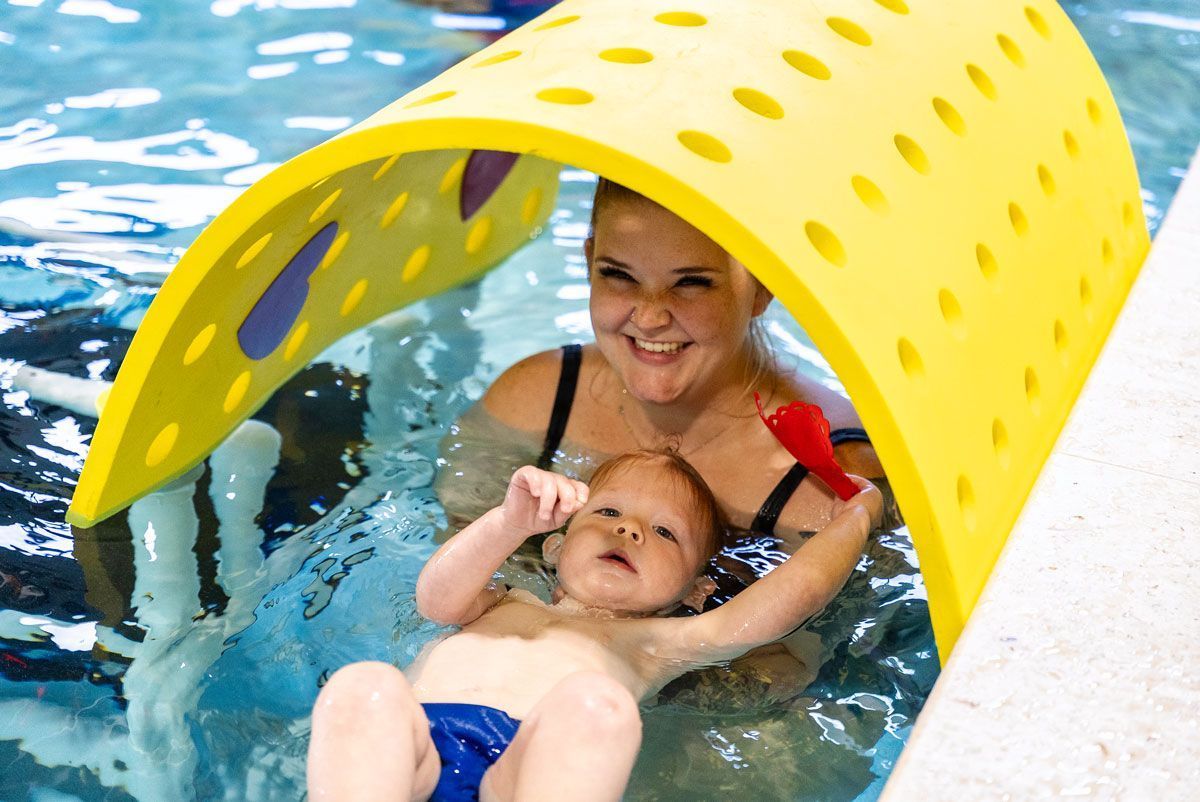
Our pool is a saltwater pool, but saltwater pools still use chlorine to keep the water clean and safe. However, some swimmers may notice that pool water can leave their skin feeling a little dry, especially with frequent swimming. A few simple steps can help: Rinse before class. A quick shower before getting in helps saturate the skin with fresh water before swimming. Rinse after every lesson. Give your swimmer a quick rinse after swimming to remove pool water from their skin. Use gentle products. After class, wash your swimmer with a fragrance-free, gentle soap and shampoo that is appropriate for their sensitive skin. Moisturize afterward. If your swimmer's skin tends to feel dry, apply a gentle, fragrance-free moisturizer after bathing. Some families also choose to use a Vitamin C spray or lotion after swimming. Everyone’s skin is different. If your swimmer has persistent irritation, a rash, or sensitive skin that is difficult to manage, talk with your pediatrician or another medical professional about the best products for your child.
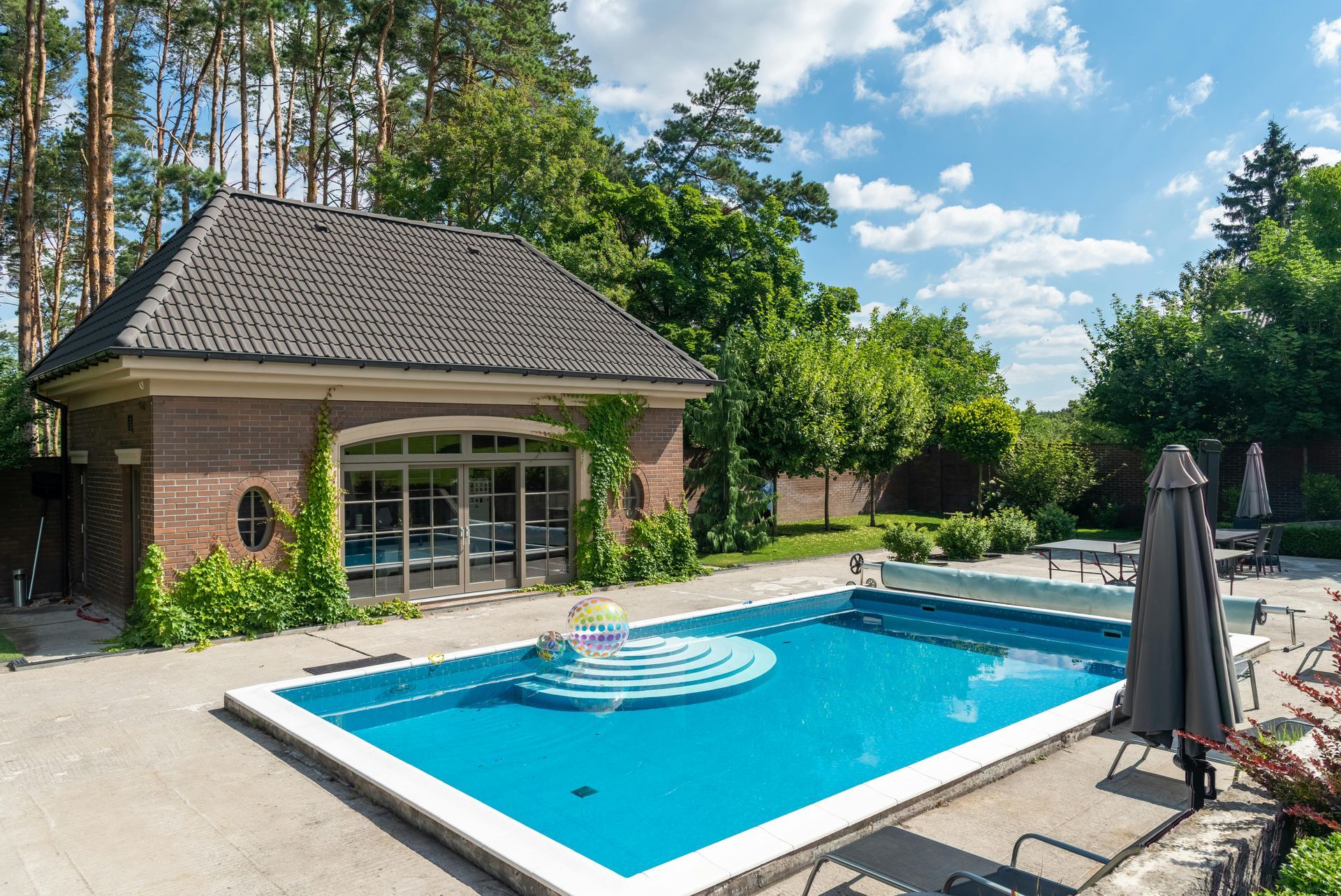
Do you have your own pool? Or are you thinking about putting one in your backyard? There’s no doubt about it, pools are beautiful. Sparkling blue water instantly makes everyone feel cooler just looking at it! Pools create fun family memories, birthday parties, cookouts, and endless summer enjoyment. It’s easy to picture everyone laughing, swimming, and having a great time together. But along with all that fun comes an important responsibility. Owning a pool does require physical work - cleaning, balancing chemicals, maintaining equipment, and keeping the water safe and clear. However, the greatest responsibility is not the maintenance. It’s keeping everyone safe around the water. When you host a cookout or pool party, your job isn’t only grilling burgers and hot dogs. Your responsibility also includes knowing who is watching the pool. Many people assume that when there are lots of adults around, someone must be watching the children. Unfortunately, that often isn’t true. At busy pool parties, everyone thinks someone else is paying attention, and sometimes nobody truly is. That is why it is so important to designate a “Water Watcher”. A Water Watcher is an adult whose only job is to actively watch the pool and everyone in it. No phones. No conversations. No distractions. Assign someone to be the Water Watcher for 10–15 minutes at a time. Encourage them to: Keep their eyes constantly on the water Count the swimmers repeatedly Watch for unsafe behavior Enforce pool rules such as: No roughhousing No pushing or dunking No running around the pool deck Most importantly, the Water Watcher should be alert for someone slipping silently under the water. Remember: drowning is often silent. A child usually will not yell or splash for help. Many drowning victims simply slip beneath the surface quietly and quickly. Today, many organizations provide “Water Watcher” tags or lanyards to help remind families whose turn it is to supervise the water. These are wonderful tools, but the tag itself is not what keeps children safe. What truly matters is active supervision. So before you build that dream pool or host your next backyard barbecue, take a moment to remember the responsibility that comes with owning a pool. A few simple safety steps can help ensure your pool remains a place of fun, laughter, and happy memories for everyone. — Swimming Safari Swim School
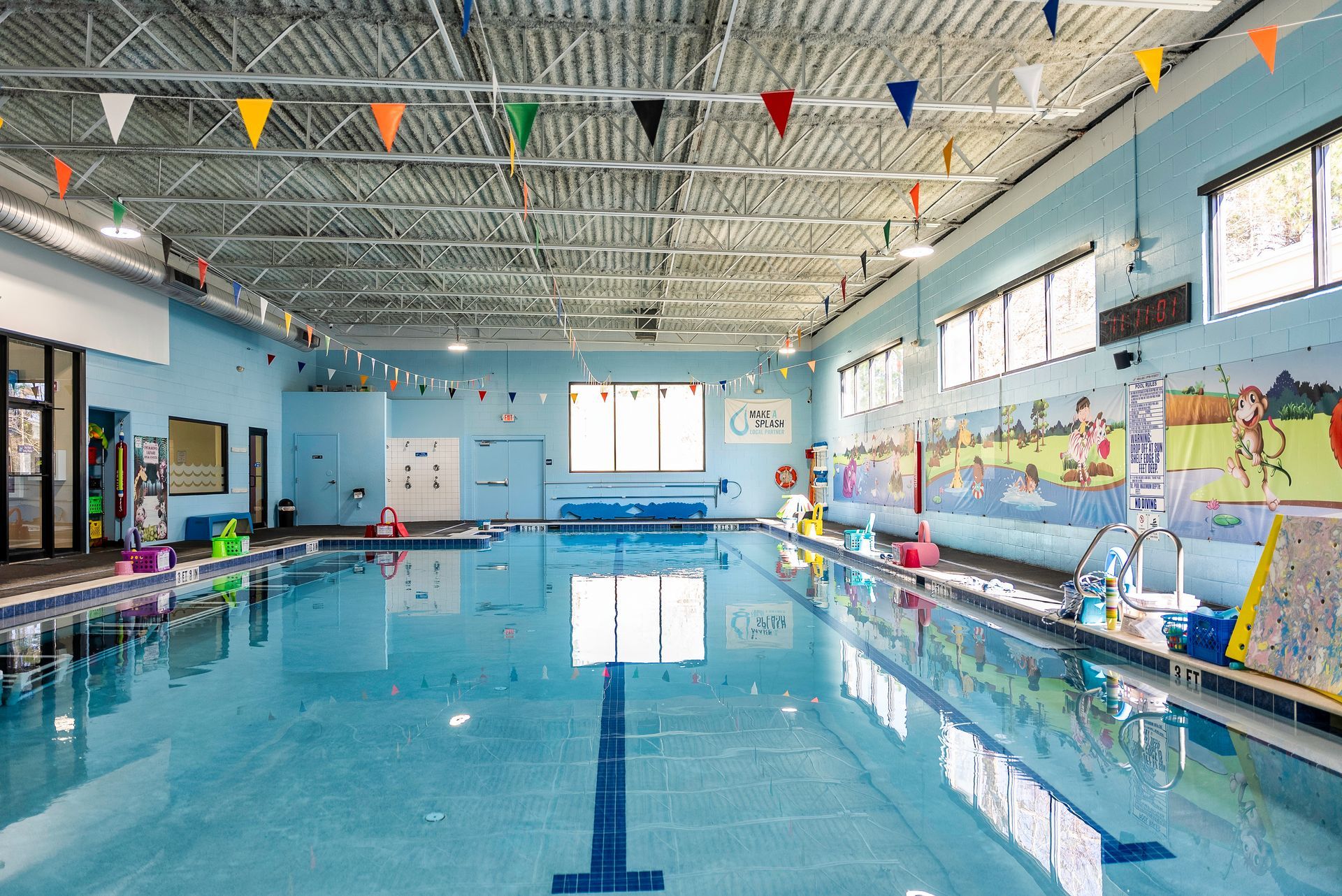
That’s why our pool wasn’t built like a typical community or backyard pool. It was designed specifically for teaching swim lessons so you can feel comfortable, supported, and successful from your very first class. Here’s what makes our pool different. A Pool Built for Learning Our pool is 30 feet wide and 66 feet long (22 yards), giving our instructors plenty of space to teach multiple lessons while still keeping the environment calm and focused for each swimmer. Because the pool is intentionally designed for teaching, every area supports a clear learning path, helping swimmers build confidence and progress step by step. Comfortable Depths for Growing Confidence Most of our pool ranges from 3 feet to 4.5 feet deep, which allows students to practice skills in a safe and approachable environment. For more advanced swimmers, the deep end ranges from 4.5 feet to 6 feet, giving instructors the ability to safely introduce deeper water skills when students are ready. We also installed swim benches inside the pool on both sides. These benches allow students to sit safely in the water while waiting for their turn, helping them stay warm and engaged during their lesson. Every feature was chosen to help kids feel secure while they build real swimming ability. Crystal Clear, Highly Filtered Water Families often ask about water quality, and it’s something we take extremely seriously. Our 50,000-gallon saltwater pool uses advanced filtration and sanitation systems to keep the water exceptionally clean and comfortable. Some of the highlights include: 111-Minute Water Turnover All 50,000 gallons of water are filtered every 111 minutes. Most pools only cycle their water every 4–6 hours, which means our system keeps the water continuously fresh and clean throughout the day. Full-Flow UV Filtration Our UV filtration system adds another layer of sanitation by neutralizing microorganisms as the water passes through the system. Computer-Controlled Water Chemistry Our system constantly monitors and adjusts the pool chemistry to maintain ideal water balance and swimmer comfort. The result is water that is gentle on skin, clear, and consistently maintained. A Safe Environment for Learning When students feel safe, they learn faster. That’s why our pool environment was intentionally created to support: Beginners just starting their swim journey Building water safety skills Advanced swimmers refining technique and endurance Every detail, from the pool depth to the filtration system, supports our mission of helping families create strong, confident swimmers. Come See the Pool for Yourself The best way to experience the difference is to visit us in person. Families are always welcome to schedule a free trial lesson and see why so many parents trust Swimming Safari Swim School to help their children learn one of the most important life skills: how to swim safely and confidently.
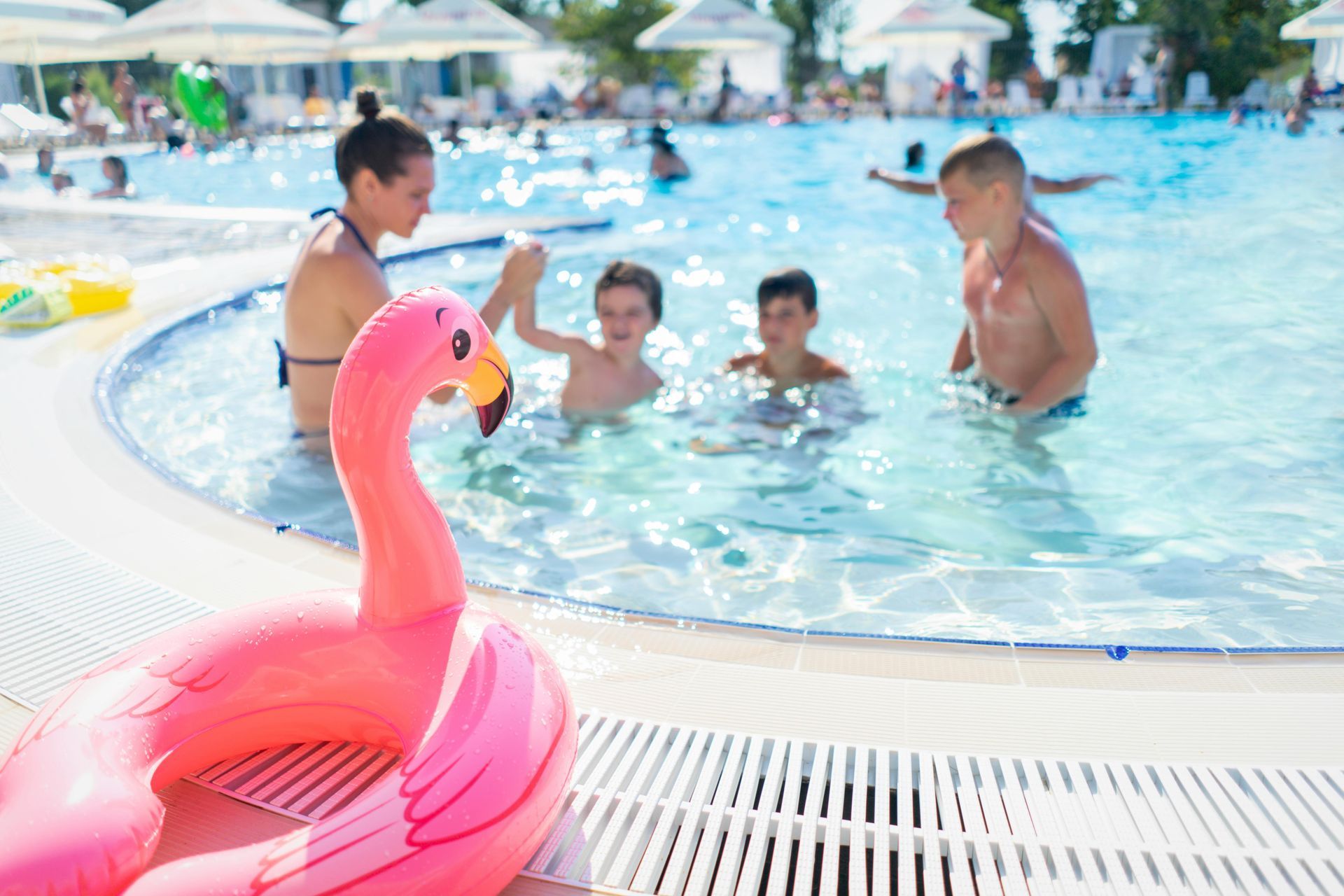
When it comes to water safety, there is no single solution that prevents drowning. An effective approach is called the 5 Layers of Protection, which means using multiple safety measures together to reduce risk and save lives. Drowning is often silent and fast, and it can happen even when adults are nearby. That is why safety experts recommend using several layers at all times instead of relying on just one. Here are the five essential layers every family should know. 1. Barriers and Alarms This is your first line of defense. Barriers help prevent children from accessing water without an adult present. These include: Four-sided pool fences with self-latching gates Door and window alarms leading to the pool area Pool alarms that alert when water is disturbed These tools are critical because many drownings occur when a child gains unexpected and unsupervised access to water. Barriers and alarms help buy precious time and can stop an accident before it begins. 2. Constant, Close Supervision Nothing replaces attentive adult eyes. Active supervision means: Staying within arm’s reach of young children Avoiding distractions like phones Assigning a designated “Water Watcher” during gatherings Many drowning incidents happen during very brief lapses in supervision, sometimes in less than 30 seconds. 3. Water Competency (Swim Skills) Swim lessons save lives. Children who learn water competency skills gain the ability to: Safely enter and exit water Float and breathe Roll onto their back Swim to safety Swim lessons do not make a child drown-proof, but they significantly reduce risk and build lifelong confidence around water. 4. Life Jackets Especially important around open water. U.S. Coast Guard-approved life jackets should always be worn: On boats Near lakes, rivers, and oceans Floaties and inflatable toys are not safety devices. 5. Emergency Preparation Be ready before an emergency happens. Every water-safe family should: Learn CPR Keep a phone nearby when around water Know how to respond quickly in an emergency A fast response can make the difference between life and death. Building Lifelong, Positive Memories Around the Water Water should be a source of joy for families. Pool days, beach trips, boat rides, and vacations often become some of the most treasured childhood memories. Laughing together, playing games, and celebrating milestones like swimming independently for the first time are moments families carry with them for a lifetime. Following the five layers of protection helps ensure those memories stay positive and safe. When parents know barriers are in place, supervision is active, and children have strong swim skills, everyone can relax and truly enjoy their time together. Instead of feeling anxious near the water, families can feel confident. Children can build independence, parents can have peace of mind, and shared experiences around water can become happy traditions that last for generations. By putting these safety layers in place, you are not just preventing accidents. You are creating the foundation for a lifetime of fun, confidence, and meaningful family memories around the water. Your Next Step Toward Water Safety One of the most powerful layers you can give your child is water competency through swim lessons. At Swimming Safari Swim School, we help children build the skills, confidence, and safety awareness they need to be safer around water in a fun and supportive environment. Ready to add a life-saving layer of protection? Enroll in swim lessons today and give your child skills that can last a lifetime. Sign up today to get started.
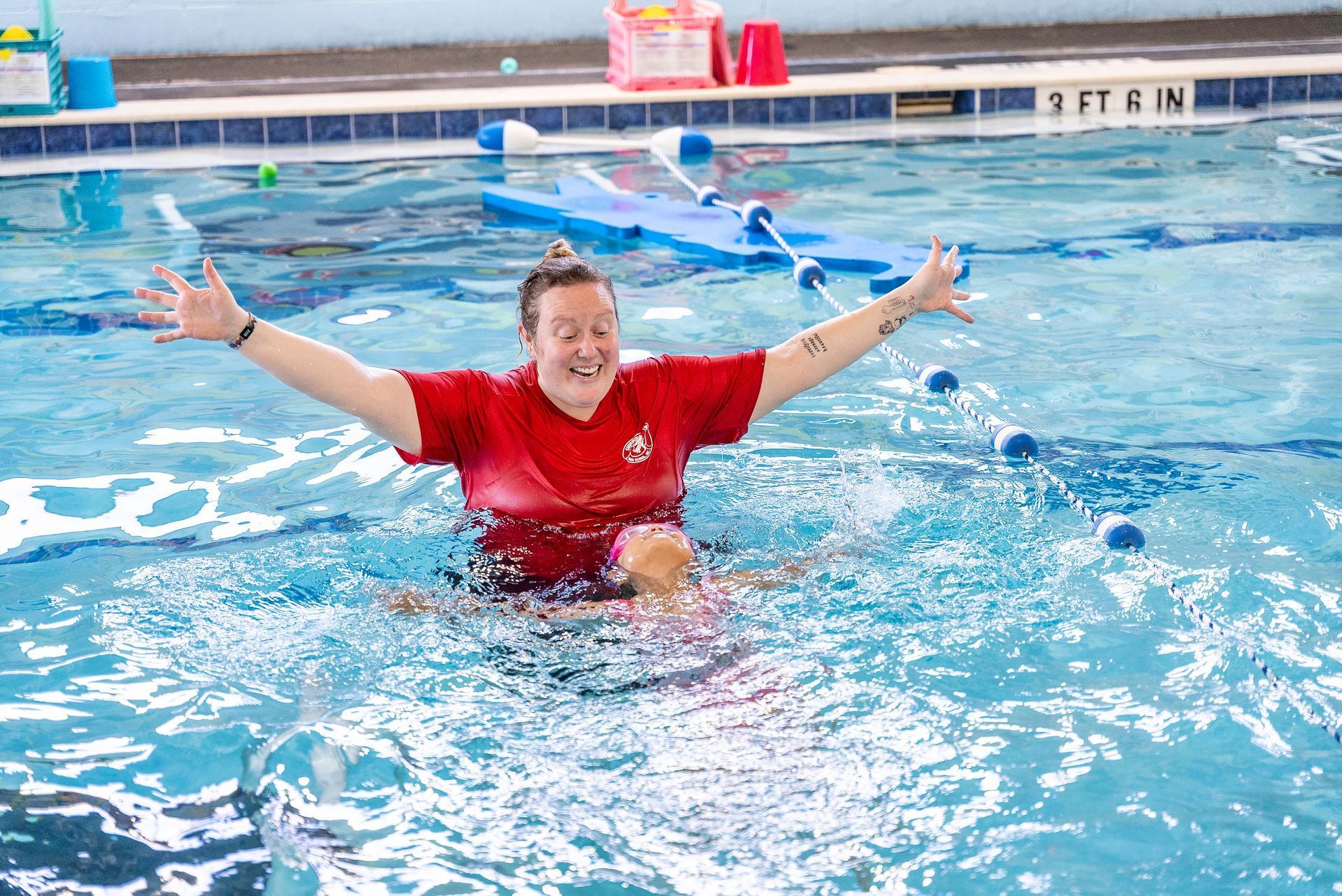
Unlimited Makeup Classes Are Here At Swimming Safari!
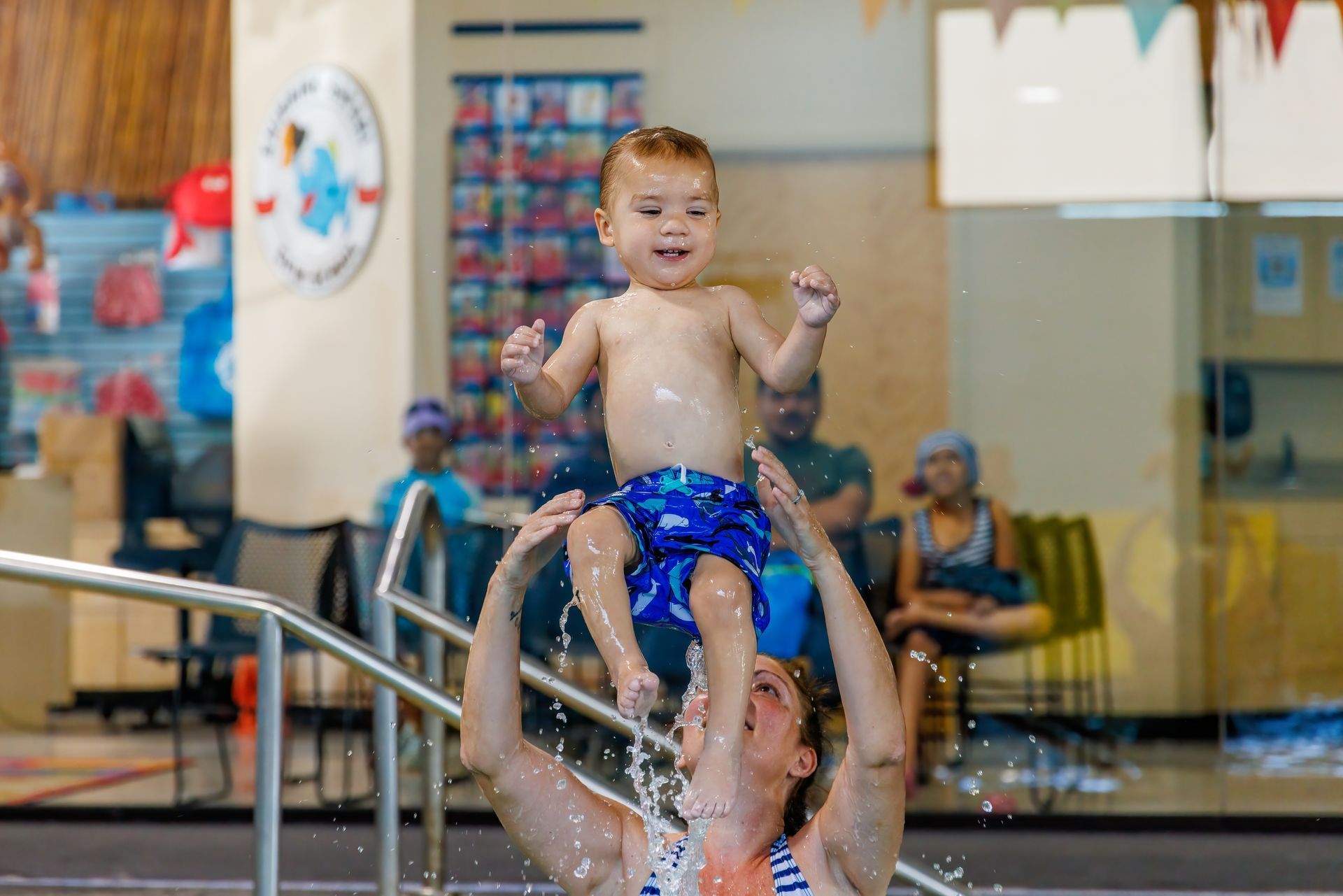
Confidence in Small Steps Every child faces moments that feel big and a little scary. Without gentle opportunities to practice bravery, those fears can grow. How Swimming Builds Courage Swim lessons provide safe, structured ways for babies to: Try new things like back floating or going under briefly Gain independence by moving toward a parent or toy Take turns and share space with others Each small victory builds resilience and self-assurance. Beyond Swimming Confidence gained in the pool carries over into everyday life. From learning to walk, to making friends, to starting school, courage grows with every splash. Pro Tip: Celebrate effort, not just achievement. “You tried so hard!” is just as powerful as “You did it!” Start building your child’s confidence now. Book a free trial class at Swimming Safari.
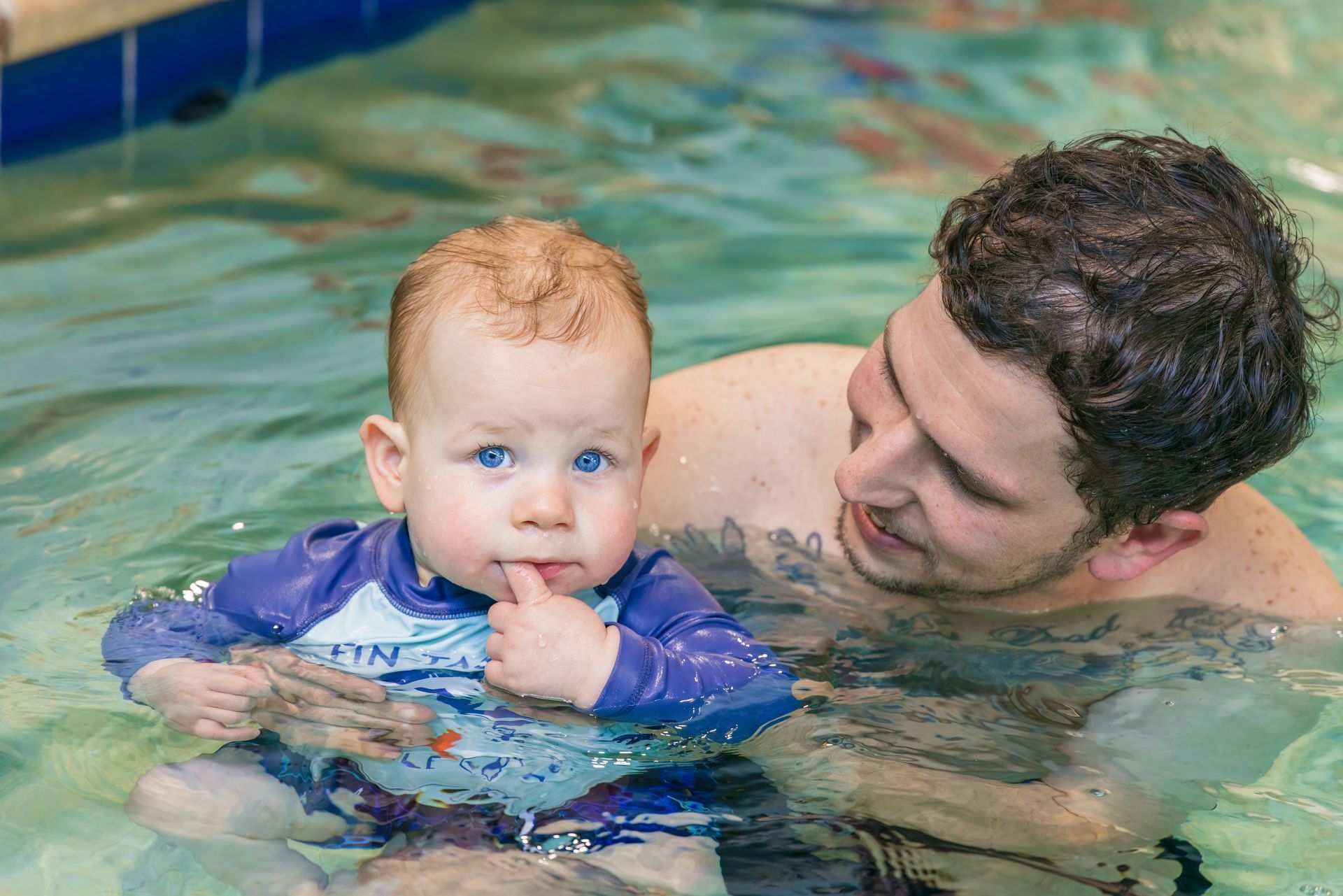
The Risk Parents Don’t Expect Water is one of the leading risks for young children. Many parents wait until their child is “older” to think about lessons—but water safety habits can start long before then. What Babies Can Learn Early Even before their 2nd birthday, little ones can: Practice short moments of breath-holding Get comfortable floating on their backs Turn toward a parent or the pool’s edge for safety These are taught gently, through games and songs that feel natural and fun. Why Early Matters The earlier your baby begins, the more confident and comfortable they’ll be in the water as they grow. That confidence means safety and peace of mind for you. Pro Tip: Practice blowing bubbles in the bath; it’s the perfect way to introduce breath control. Give your baby a safe start in the water. Join us for a free trial class.
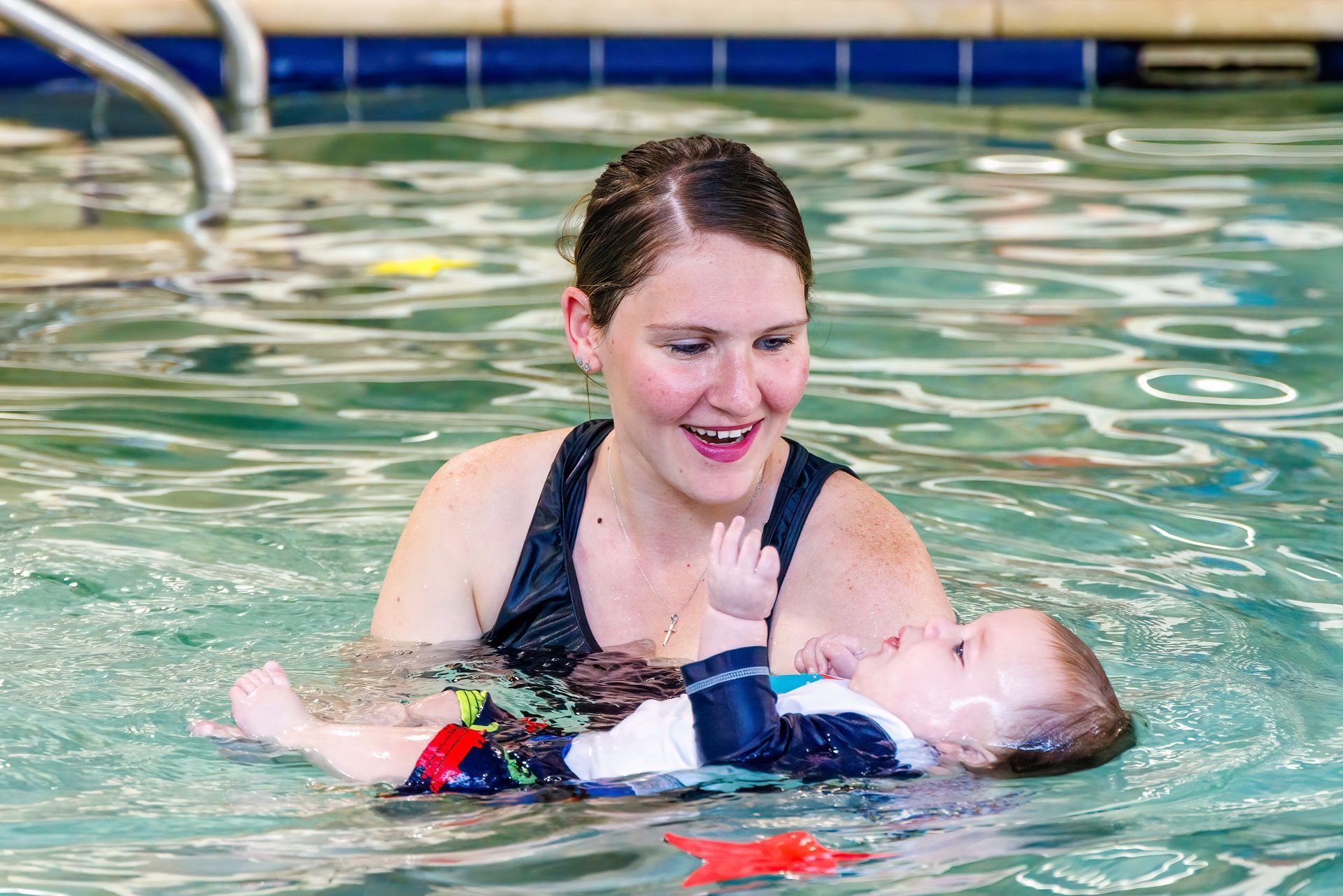
Why Early Development Matters The first two years of life are when your baby’s brain develops faster than it ever will again. Every experience sounds, movements, touches builds connections that shape their growth. How Swimming Boosts Development Swim lessons engage your baby in all areas at once: Cognitive: Following songs, cues, and instructor guidance. Physical: Building strength through kicking, splashing, and reaching. Emotional: Feeling secure in your arms while trying new challenges. Social: Watching, imitating, and playing alongside peers. Beyond the Pool The skills your baby practices in the water, focus, coordination, and confidence, translate into learning and growth in every part of their world. Pro Tip: Celebrate every small splash; encouragement builds confidence that sticks. Want to see your child’s giggles turn into growth? Book a free trial class today.
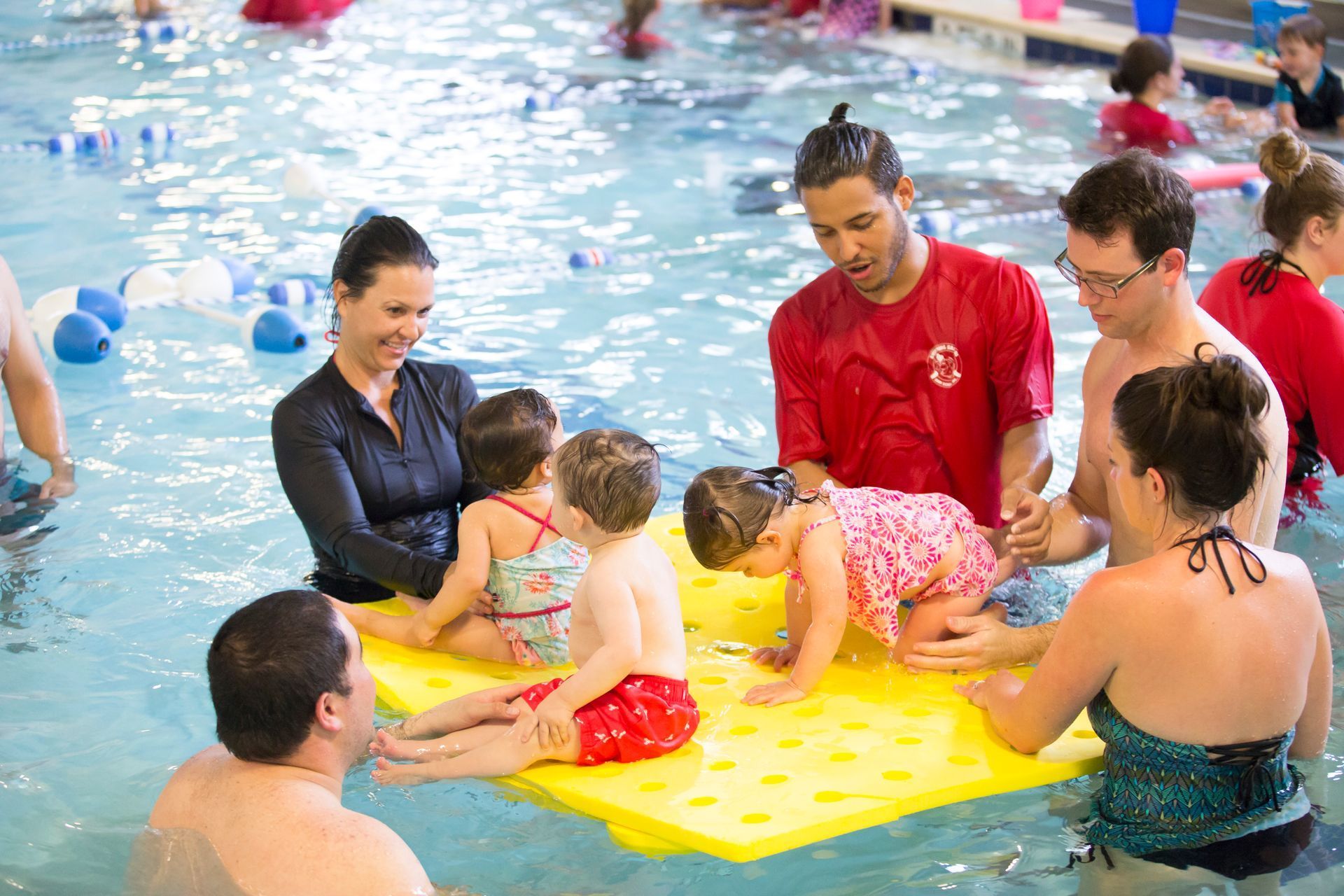
The Problem with Going It Alone Parenting a little one can sometimes feel isolating. Babies who only interact with family members may also miss out on early opportunities to practice social skills. How Swim Lessons Help Babies Socialize Watch & Learn: Babies naturally imitate others, seeing peers splashing builds excitement. Shared Play: Passing toys or playing group games introduces sharing and teamwork. Group Listening: Following instructor-led songs helps babies practice focus in a fun way. The Bonus for Parents Swim classes aren’t just for babies, they’re for you, too! You’ll meet other families, share stories, and build a network of support that understands your parenting journey. The Long-Term Payoff Early social experiences help your child develop confidence, empathy, and communication skills that last well beyond swim lessons. Pro Tip: Say hello to another parent in class, you might walk away with both a swimming partner and a new friend. Discover the joy of swimming and socializing. Book your free trial lesson today.
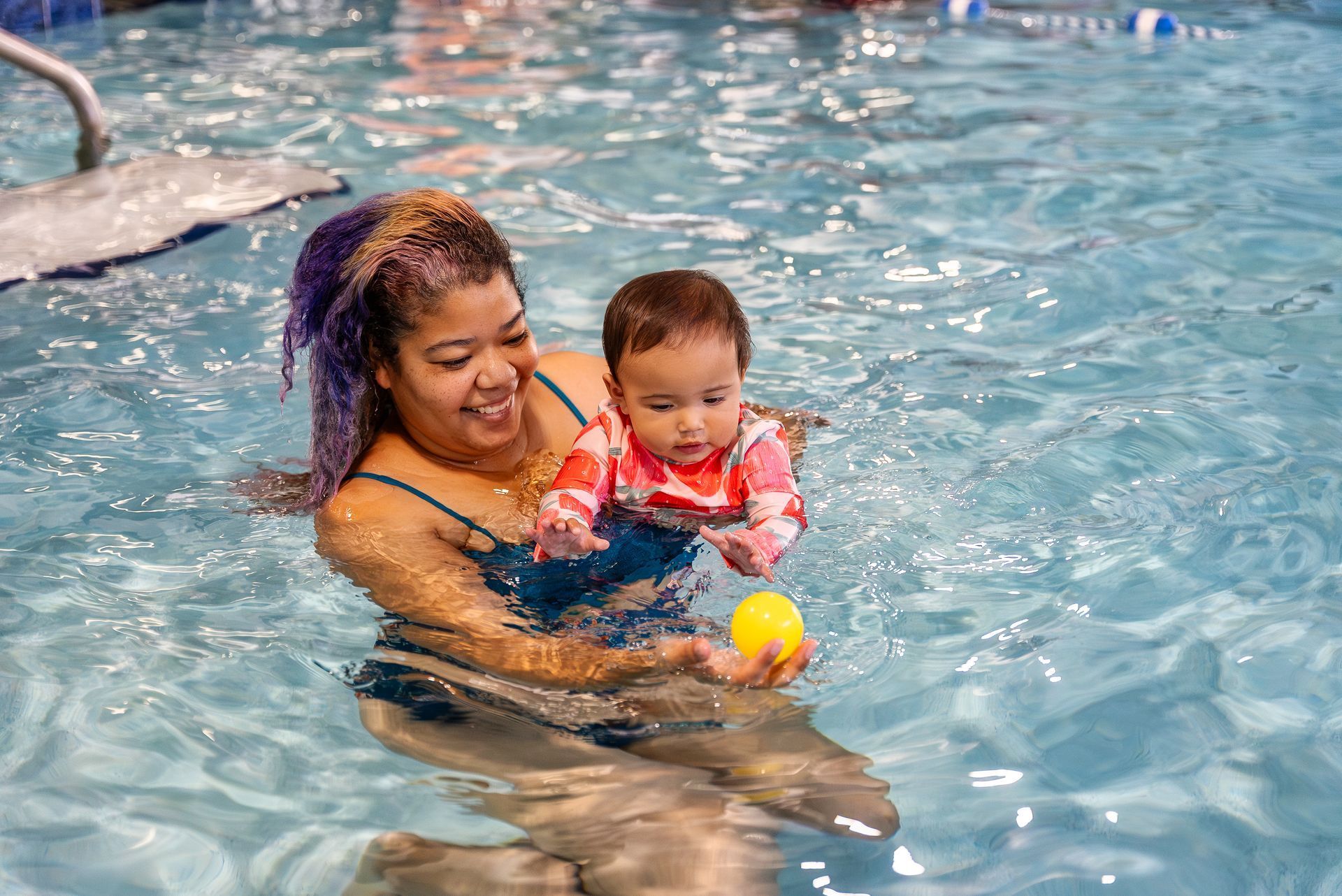
Why Motor Skills Are Important From rolling over to crawling, every new movement strengthens your baby’s body and brain. These skills are also the foundation for confident swimming. Without practice, babies can feel frustrated as they try to master big new milestones. Simple Ways to Build Motor Skills at Home Reach & Grab: Place toys in shallow water for your baby to grab, building strength and coordination. Kick & Splash: Hold them gently on their back and let them kick—great for leg strength and future swim strokes. Roll Over Play: Practice rolling on a mat or soft surface to mimic the pool skill of turning over for safety. Motor Skills in Swim Lessons Swim lessons enhance these natural milestones with songs, games, and guided movements. The water adds gentle resistance, helping babies develop strong muscles while having fun. Pro Tip: Cheer for every little success. Encouragement builds your baby’s confidence to try again. See your baby’s motor skills soar in the pool! Join us for a free trial class .